



Ecommerce Growth Strategy: The 3 Levers That Matter, With MHI Media's Kamal Razzak

In Episode 5 of Funnel First, Kamal Razzak, founder of MHI Media, explains how he sees ecommerce growth: three short term levers, creative, offers and the landing page after the click. This is what we took from the conversation, and what it means for your ecommerce growth strategy.
Funnel First is our show about the whole funnel, from the ad to the checkout. Kamal runs a creative agency that, in his words, spends over $10 million a month on ads for ecommerce brands. We sit on the other side of the click. That makes for a useful conversation, because the best ad in the world still needs an offer and a page that turn the visit into an order.
Who is Kamal Razzak?
Who is Kamal Razzak and what is MHI Media?
Kamal is the founder of MHI Media, a performance creative agency for ecommerce and DTC brands. On the MHI Media site, the agency describes its work as ads, paid social, brand storytelling and Meta media buying. Kamal can also be found on X and on YouTube.
In the episode he tells the story of how he got here: helping a friend's clothing brand with its accounts, learning Shopify, Meta ads, email, CRO and retention on the job, then building an agency around getting results for small brands. Paddy and Kamal have known each other for a few years, and the two agencies first worked together on our Ripley Rader case study.
The three levers
The three levers in an ecommerce growth strategy
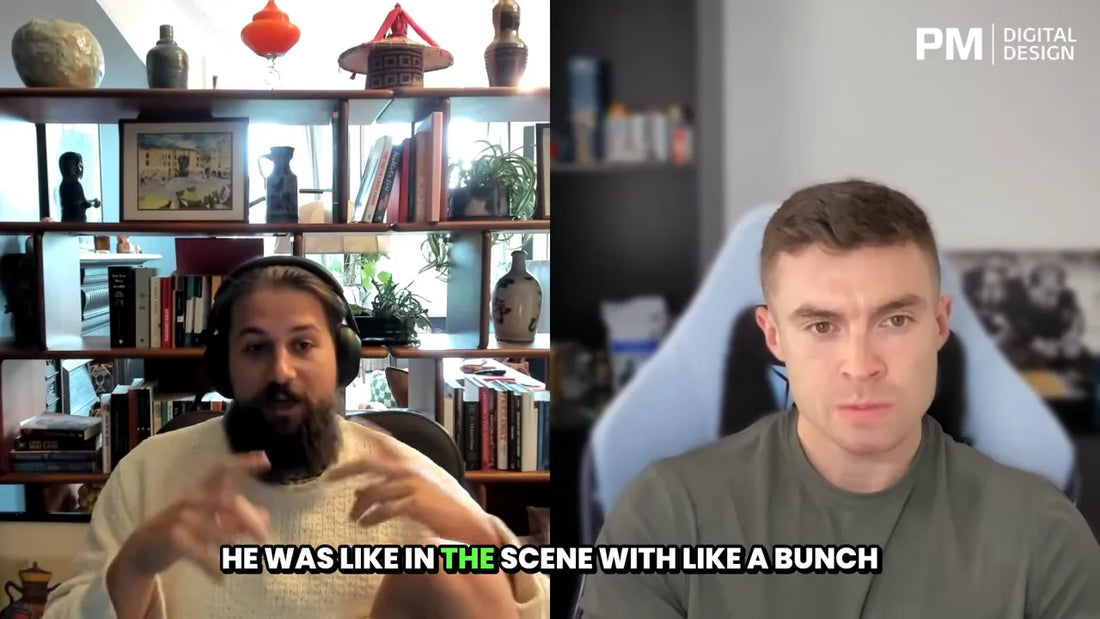
Kamal's view is that, in the short term, ecommerce comes down to three things you can pull: creative, offers and the landing page and post purchase experience. Product and brand matter too, but they move slowly. These three move this month.
1. Creative
Creative is where Kamal spends his days, so it is no surprise he calls it the biggest lever. His point is that the market now agrees: everyone knows creative matters. The hard part is producing enough good creative, consistently, to keep testing it. He also makes the case that fashion brands have a natural edge here because they already shoot new product on a regular rhythm, while other categories treat content as a one off job.
2. Offers
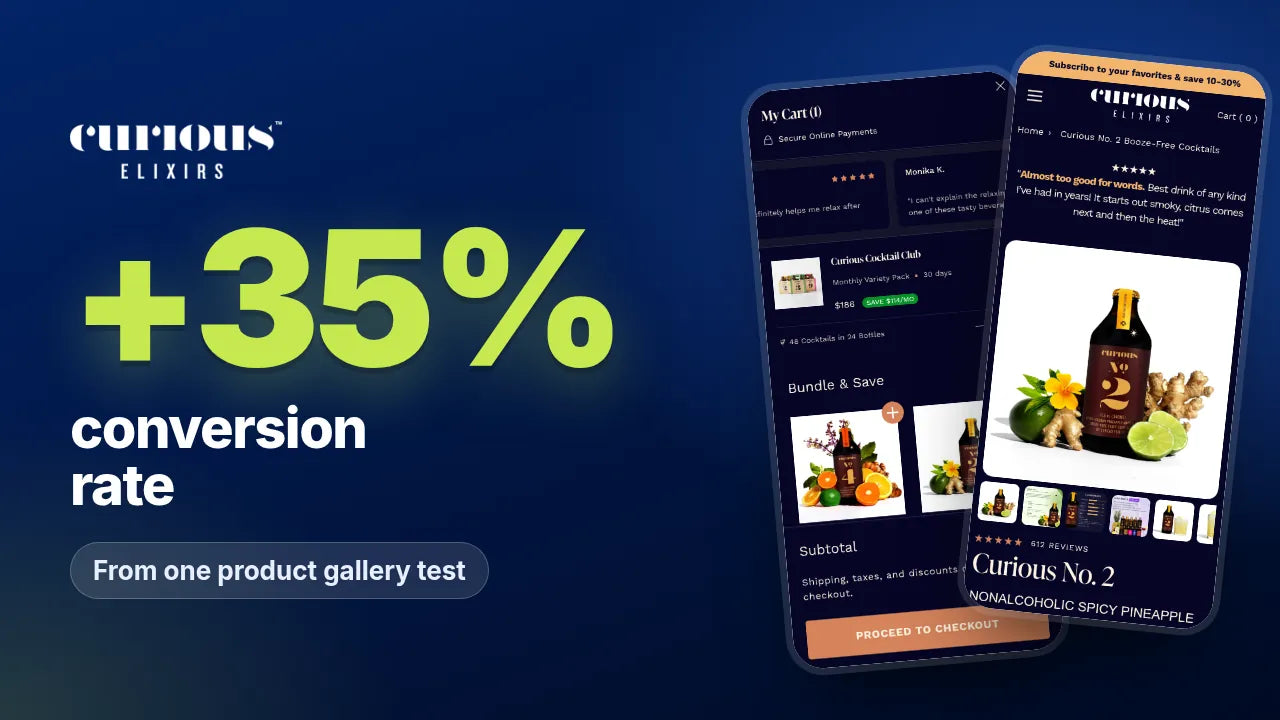
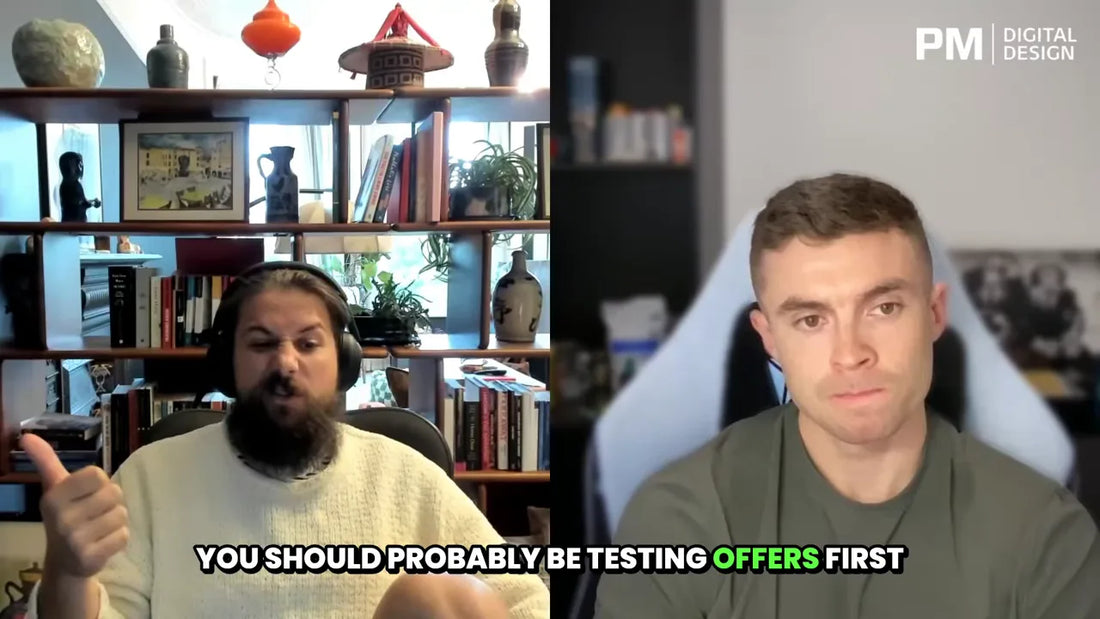
Offers are the lever we get most excited about on our side. In the conversation Paddy argues that if you are testing on a landing page, you should probably test offers first, because that is where the big swings are. Kamal agrees and adds that a strong offer is rarely subtle: you do not need a fancy tracking setup to see it work. He gives an example from a fashion brand they both work with, where a bundle offer of a jumper and a sweatshirt, set up on the buy box, helped the brand along. You can read our own numbers on this in the cart threshold test that lifted revenue per visitor by 12%.
3. The landing page and what happens after the click
This is our side of the funnel. Kamal describes a brand where all three levers are working together: strong creative, a good offer, a landing page built for the traffic and post purchase offers behind it. His read is that when every lever is pulled at once, growth compounds. If one is weak, the others have to work harder. For a deeper look at how we approach this, see our Shopify CRO agency page.
Measuring the right thing
Close to revenue: test big, not small
One of the most useful moments in the episode is a shared idea about win rates. Kamal says it is easy to inflate a win rate on small changes that barely move the needle, and he calls this the work that looks busy but does not change the bank account. His rule is to get close to revenue: work on the things that can actually move it.
We see the same thing in CRO. A test that nudges a button colour can win and still be worth very little. A test of the offer, the positioning or the copy has a much higher ceiling. That is why a testing programme should be judged on revenue and on the size of the swings it takes, not on how many tests won.
What to do next
What to take from Funnel First Episode 5
- Treat creative, offers and the landing page as one system, not three separate projects.
- Test the offer early, because it is the lever with the biggest potential swing.
- Judge testing by closeness to revenue, not by win rate.
- Learn from other categories: fashion brands are strong on content rhythm, subscription brands on direct response.
Next episode: in Funnel First Episode 6, Yarden Khoushy of Jurni explains how to build high converting landing pages with AI, and why message match and fast testing beat perfect design.
Want more conversations like this? Browse the CRO Learning Hub for every Funnel First episode and our free CRO guides, or come back to the PM Digital homepage to see how our CRO and Scale Plan works.
FAQ
Funnel First Episode 5 FAQ
Who is Kamal Razzak?
What are the three levers in an ecommerce growth strategy?
Which lever should you test first?
What does close to revenue mean?
Where can I watch Funnel First?
Video details from the Funnel First Episode 5 YouTube description and conversation. Facts about MHI Media come from mhimedia.com. Figures such as ad spend are Kamal's own statements in the episode.


How we work
Built for what happens after the click.
Most brands don't need more traffic. They need the traffic they already pay for to convert.
We work on what happens after the click, on the CRO and Scale Plan. Decisions are driven by the data in the CRO Brain, with PMD Cortex AI supporting the team, and a programme of tests rather than one lucky win.
The founder and the team
Paddy McLarnon, founder, and the team that does the work.
Paddy McLarnon founded PM Digital and has been a name in CRO for the last four years. He takes the first call with every brand himself, and stays close to the strategy. He has spoken at DTC Growth Summit in Miami and New York, and hosts the Funnel First podcast.
Meet the agency
Our team
The in-house team behind the work.
Your pod does the work, and the whole team backs it. Plus you, in a dedicated Slack channel with all of them.


